Close

We are living longer than ever. But are we living better?
A few years ago I heard a word at a wellness talk that stuck with me: healthspan. It changed how I think about growing older.
We all know lifespan — how long you live. But healthspan is the part that really matters: how many of those years you live in good health.
How long you live. The total number of years, from birth to your last day.
How long you live well. The years you stay active, independent and free of serious illness.
Here is the hard truth: these two numbers are not the same. And the gap between them is growing.
Doctors now measure the gap between how long we live and how long we stay healthy. Around the world, the average person spends their last 9.6 years in poor health — and that gap has grown about 13% since the year 2000 (JAMA Network Open).
Malaysia is no different. A Malaysian today can expect around 9.5 years in poor health near the end of life — roughly 1 in every 8 years lived (Khazanah Research Institute).
More people than ever are spending a decade or more needing help, medicine or care. Extra years are a gift — but only if we can enjoy them.
Modern medicine keeps us alive longer. But it does not always keep us well. So ask yourself the real question: do I want to live longer — or live better? The good news is you can aim for both.
You may have heard that exercise does not really help you live longer. That is not quite right. The research is clear on two things:
So movement gives you both: a little more time, and a lot more good time.
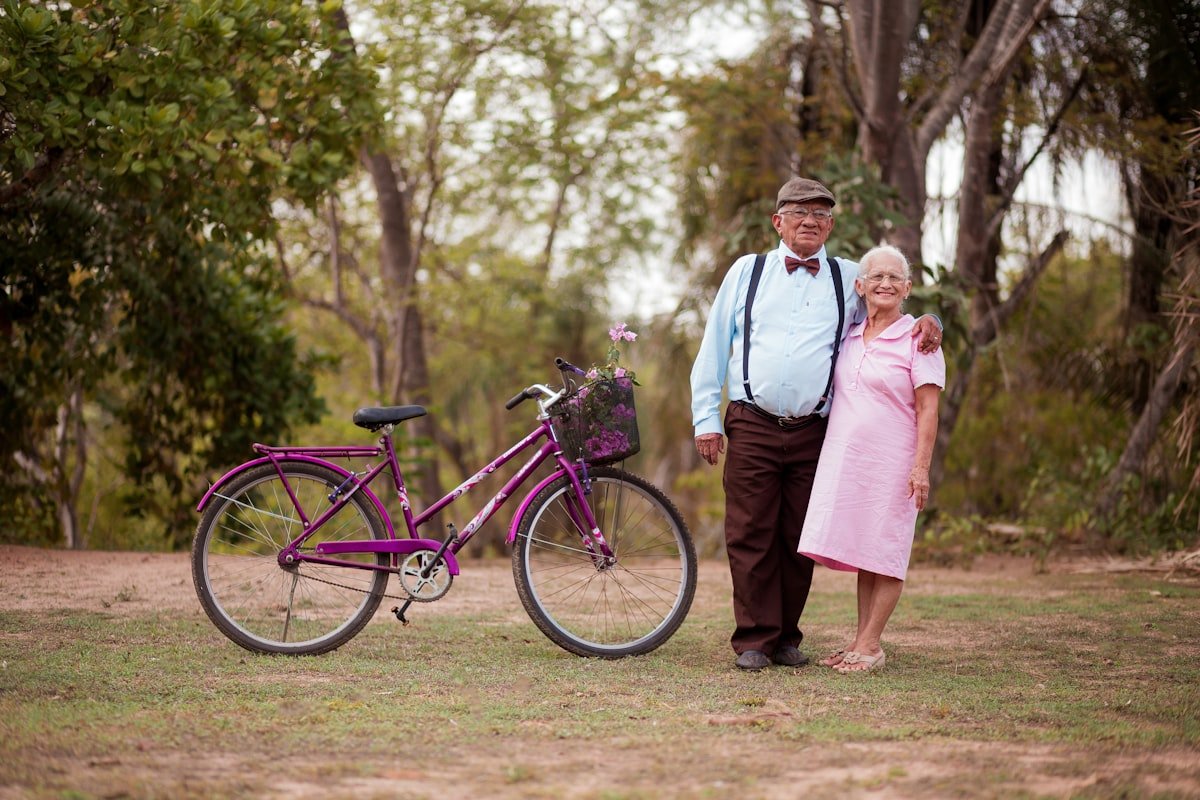
You cannot control everything about ageing. But a few things make a huge difference. Keep these strong:
Muscle is your body's armour. It guards your joints, powers movement and keeps you independent.
One of the simplest signs of a long, healthy life. Every 5 kg drop in grip is linked to a 16% higher risk of dying early.
Staying mobile keeps you doing what you love — and keeps you off the floor.
Muscle and grip strength stand out. In one large global study, grip strength predicted early death better than blood pressure (grip strength biomarker review). The message is simple: a strong body is a longer, freer life.
I do not write this only from research. I have lived it.
My grandfather passed from heart failure. In his final years he was barely moving, barely eating. I truly believe that years of inactivity and lost muscle sped up his decline.
I also watched my partner Lesley’s uncle — once the rock of his family — slowly lose the ability to move. A fall at home left him needing assisted living. I often wonder: if he had a stronger base of strength, would he still be independent today?
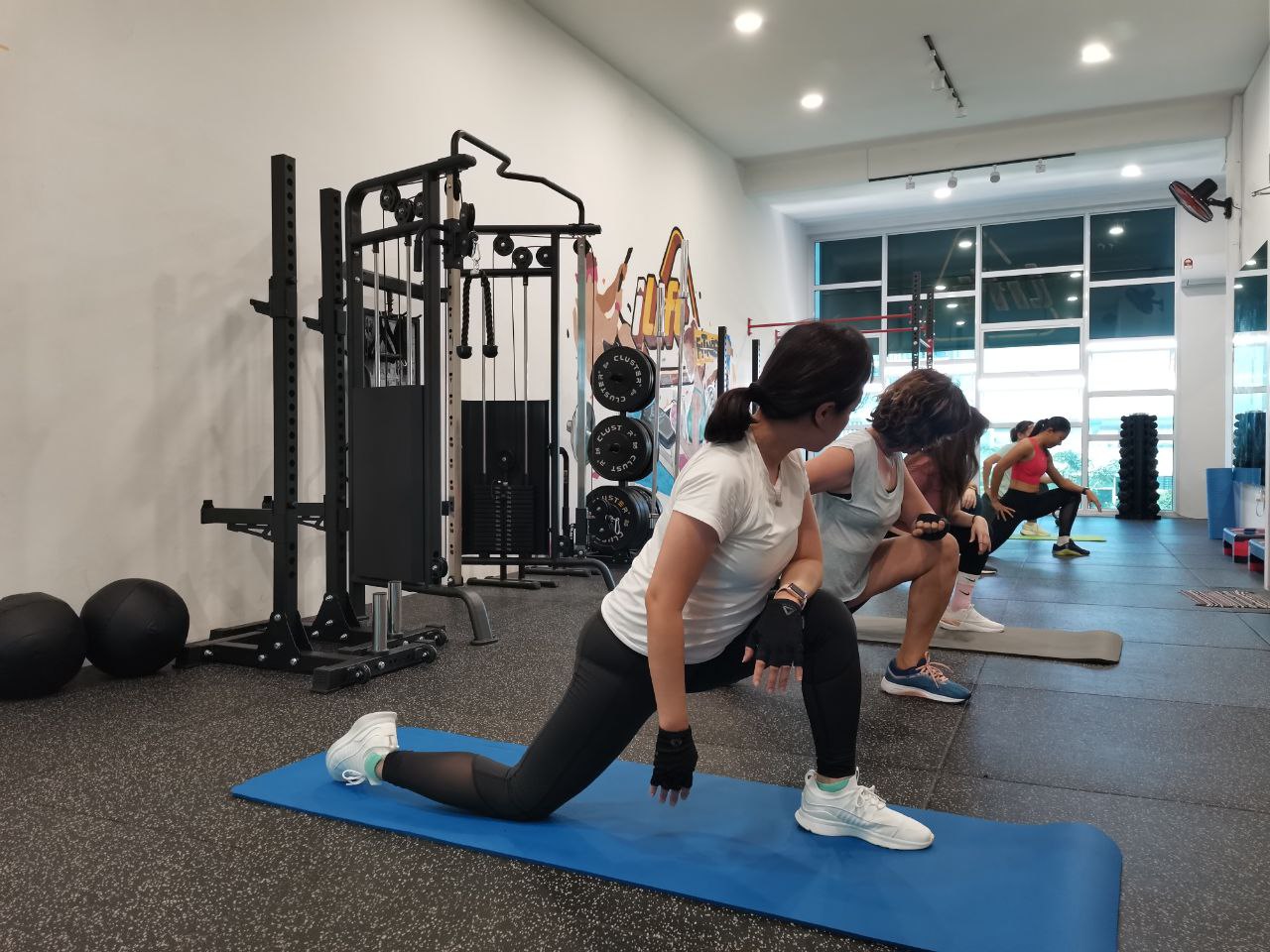
These stories are why healthspan — not just lifespan — drives everything we do. And it is never too late to start: even people in their 90s get stronger with training. You can also read our client stories — real members in their 50s, 60s and beyond, living proof of what is possible.
Healthspan is built, not given. And like planting a tree, the best time to start was 20 years ago.
The second-best time is today.
Start small. Get stronger. Protect your years — so you can enjoy every single one of them. 💪
Book a FREE consultation today — no pressure, no intimidating crowds. Just a plan to keep you strong and free for life.
Book a Free Consultation → Optimized by Seraphinite Accelerator