Close



After interviewing and onboarding countless people trying to enter the fitness industry, I’ve realized something:
Most people have the same questions.
“Is this a stable job?”
“Can I make a living doing this?”
“Where do I even start?”
These are valid concerns.
But beyond the questions, I also see a lot of people who genuinely want to help others — but have no clear roadmap. Many come in with passion but leave frustrated because they weren’t prepared for the realities of the work.
This guide is for:
Mid-career switchers looking to find more purpose in what they do
Young fitness enthusiasts trying to turn passion into profession
Anyone considering personal training as a long-term, meaningful career
The wellness industry is booming — valued at USD 6.3 trillion in 2023 and growing year after year (Global Wellness Institute).
Why?
Because people are becoming more aware that prevention beats cure. As lifestyles become more sedentary, diets more processed, and health issues more chronic, more Malaysians are waking up to the need for long-term, movement-based solutions.
This is where personal trainers come in.
Before jumping in, you need to know what this job actually looks like — beyond the highlight reels and six-pack selfies.
Showing up consistently — early mornings, late evenings, weekends.
Coaching with empathy — listening, adapting, and helping people through their struggles.
Ongoing self-education — there’s no degree in personal training, and most certs don’t fully prepare you. You’ll need to keep learning — forever.
Sales and marketing — because you can’t help people who don’t sign up.
Following up and managing clients — texts, reschedules, accountability, and session tracking are all part of the job.
An excuse to work out all day.
A way to avoid admin or paperwork (though less, there will still be some)
A platform to show off how “fit” or “strong” you are.
Here’s the truth many fitness coaches need to hear : 90% of your clients will not care how much you lift or how lean you are.
They care whether you understand them.
This is advice to my younger self — I used to think that my six-pack was my resume. It’s not.
There are currently no official government regulations for fitness professionals in Malaysia. However, most reputable gyms or studios will expect a certification — or at least a degree in a related field.
ACE CPT via FITM
fit.com.my/course/ace-certified-personal-trainer
NASM CPT via PFC Academy
pfcacademy.my/workshop/nasm-certified-personal-trainer-nasm-cpt
ISSA CPT (Online Option)
issaonline.com
Most of these programs bundle in CPR and AED training, which is required for safety purposes.
Great — that helps. But you’ll still likely be asked to prove your practical skills. At ILift, for example, we require skill assessments for all applicants, regardless of degree.
⚠️ Trigger warning: Just because you’ve done years of bodybuilding, CrossFit, or powerlifting doesn’t mean you’re ready to coach. Coaching requires more than knowing how to push yourself. It requires knowing how to coach someone completely different from you — safely and effectively.
Anatomy & biomechanics – understanding how joints move and where compensation happens
Cueing – giving clear, concise instructions that clients can understand and execute
Exercise programming – knowing how to build programs across weeks/months with proper exercise selection and progression
Regression/progression – adjusting intensity and complexity for each client based on readiness and ability
Sales and persuasion – not just selling sessions, but getting clients to believe in what they’re doing
Rapport-building – being likable, trustworthy, and empathetic
Adaptability – knowing how to communicate differently with a 60-year-old executive versus a 22-year-old athlete
Social media presence – yes, it matters. People buy from those they know and trust. If you’re hiding online, you’re invisible.
Time management – juggling sessions, rebooking, tracking expiry, etc.
Financial planning – because most jobs are commission-based, you’ll need to plan your cash flow carefully
There’s no “one way” to be a personal trainer. Here are the main options:
Pros: Steady flow of leads, stable base salary, EPF/SOCSO
Cons: Low commission (20–35%), less flexible hours, sales-focused culture
Pros: Higher commissions (30–50%), better mentorship, clearer growth path
Cons: Often commission-only, less structured support system
Pros: Highest earning potential and flexibility
Cons: No support, no leads, you’re fully on your own
Pros: Flexible schedule, scalable income, global market
Cons: Requires systems, trust-building, and tech literacy; highly competitive

Here’s a rough picture based on my observations:
Entry-level trainers may start with 10–15 sessions/week in the first 3–6 months
Stable trainers typically conduct 20–25 sessions/week
Session price can range from RM 80–200 +/session depending on the brand, location, and clientele
Sessions/week × 4 weeks × session rate × commission %
Example:
20 sessions/week × 4 weeks × RM 130/session × 40% = RM 4,160/month
A studio charging RM 180/session with 30% commission is often better than one charging RM 90/session with 60% (in terms of support and growth potential), even though the commission amount is the same
Early exposure to premium pricing helps shape your identity as a high-value coach.
Most people follow the path: Tier upgrades → Higher rates → More income
But at some point, you hit a ceiling — either physical (burnout) or time-related
That’s why you should look for companies with leadership roles, educator roles, or profit-sharing models if you’re in it long-term
Let’s be honest — your first year in personal training will probably be one of the toughest.
You’ll feel awkward coaching.
You’ll get ghosted by potential clients.
Some clients will drop off, and you won’t always know why.
You may experience imposter syndrome, especially when you’re charging high rates but still feel unsure of your own skills.
“I thought I was ready, but I realized how little I knew.”
— every serious coach, ever
Instead of chasing clients or income, spend year one becoming the coach people want to work with.
Spend 1–2 hours daily studying: anatomy, cueing, program design, pain and mobility, etc.
Do roleplays with peers — the more reps, the better.
Seek feedback and mentorship — don’t isolate yourself.
Track your sessions and retention. Don’t just “see how it goes.”
At ILift, we’ve seen this pattern clearly:
Trainers who are willing to push through the first year usually turn the corner around month 10–12. That’s when things start to click — and retention goes up.
Not all PT jobs are built equal. Here are some warning signs when looking for a place to work:
Absent owners or managers – If the leaders aren’t involved, expect poor guidance and a lack of career support.
Extreme body transformations as the only focus – These places may encourage unsafe practices (e.g., fat burners, overtraining, or shady supplements).
No clear values or brand – Check their social media and website. If the gym promotes things you don’t agree with (e.g., body shaming, unrealistic goals), you may not last.
Trainers who joke about “how little work they do” or “how clients are the problem”
High ego, low empathy environments
Toxic comparison and obsession with appearance over service
Before joining a company, spend time understanding the culture, leadership, and values. Trust your gut.
The sad truth?
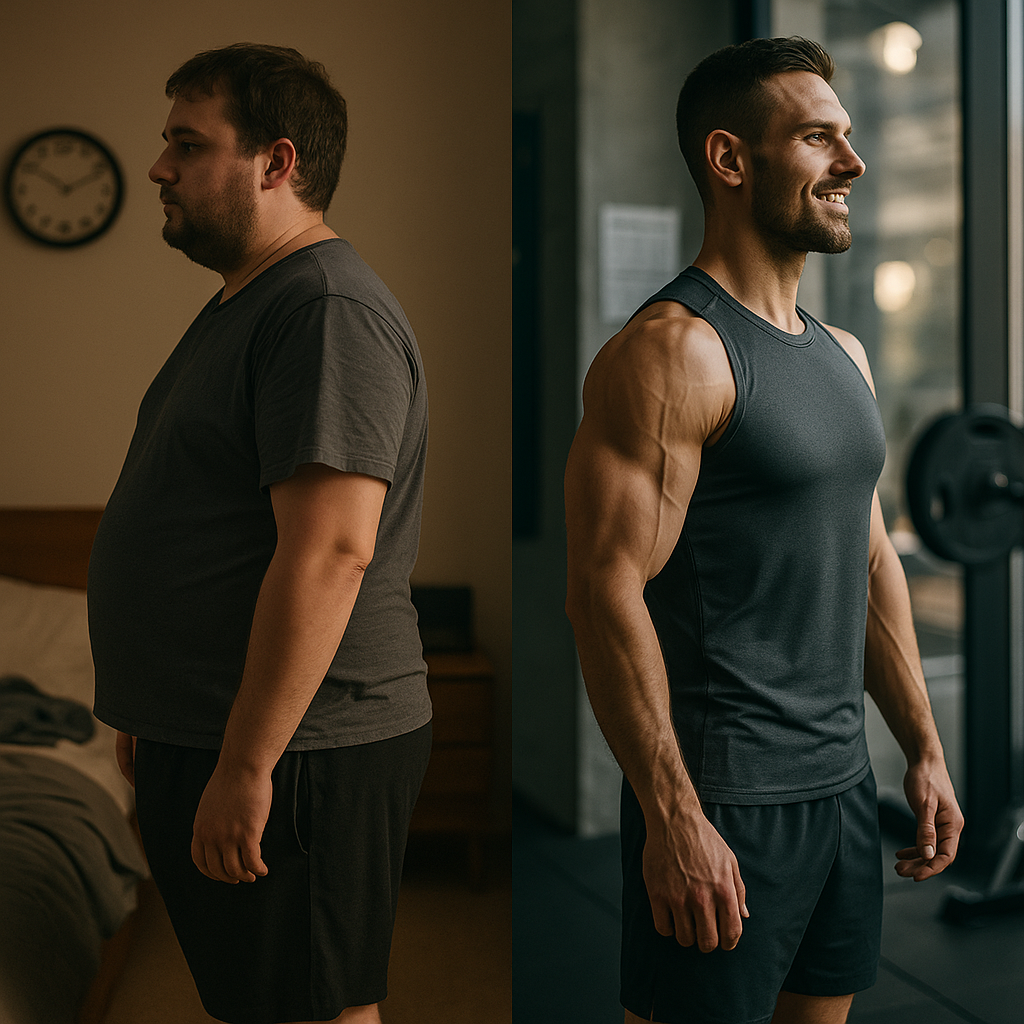
Most personal trainers burn out or drop out after 3–5 years.
Here’s why:
Stagnant income – stuck exchanging time for money without growth
No career path – studios without leadership roles, ownership potential, or skill advancement
But here’s the upside:
Personal branding – being seen as a trusted expert, not just a rep counter
Continuous learning – staying sharp in both fitness and business
Choosing the right environment – companies that grow with you, not use you
At ILift, for example, we’ve built a structure that allows trainers to:
Lead teams
Work fewer sessions over time
Take on mentorship or ownership roles
This isn’t just about more money. It’s about more meaning and more control over your future.
I’ll be honest — my own PT journey was messy.
It took years, and it wasn’t until starting ILift that I truly understood what it meant to coach, lead, and build a team.
But now? There’s no job I’d rather do.
Helping someone move again without pain…
Seeing a client become stronger and more confident…
Hearing a simple “thank you” at the end of a session…
That makes it all worth it.
We need more trainers who are mission-driven, not ego-driven.
Trainers who want to build something meaningful — whether with a company or on their own.
If you’re serious about becoming one of them, I hope this guide gave you clarity and direction.
Reach out to me at iliftfitco@gmail.com
We’re always happy to chat.
Questions? Reach out at iliftfitco@gmail.com — we’re always happy to chat.
See careers at iLift → Optimized by Seraphinite Accelerator